

Article / Essay
Editor’s Letter
Published Spring 2025 | Added August 3, 2025
What makes a Dalcroze class a Dalcroze class?
This is a question that perhaps many of you have asked yourself as you pursue an education into and through embodied music. I’ve had discussions on this topic with Dalcrozians of all levels of experience, and some answers I’ve encountered include:
- Movement-based education
- A class led through improvised piano music
- A class that includes a wide variety of the Dalcroze teaching strategies
- And more!
But if you happen to ask this question of anyone who holds the diplôme or a veteran teacher, they will tell you that a Dalcroze class is one that includes the ten principles of a Dalcroze education.
Starting in this issue, we’re featuring articles on the Dalcroze principles as well as wrapping up our previous series on the Dalcroze teaching strategies and techniques. The difference between these two categories can also be muddy—what is the purpose of having two lists (that sometimes overlap) to describe and define this work? I’ll do my best to differentiate the two.
The teaching strategies and techniques include specific, concrete activities that one could use or experience in a Dalcroze lesson. These (including the systemization) are ways of teaching, ways of reaching a musical goal. The strategies and techniques are perhaps easier to explain, to try out in a teaching scenario, and to write about for a trade journal.
The principles, however, are not as black-and-white. Rather, they exist as an overarching philosophy of the Dalcroze work.
The ten principles (see our list “Principles, Strategies, and Techniques of Dalcroze Education”) should be present in every class at some level in order to call it a Dalcroze class. In contrast, not each of the strategies may appear.
Sometimes, the principles and strategies overlap, like improvisation. We all know what it means to improvise, but how can we conceive of improvisation as a principle? Does this mean the students need to improvise? The teacher? (For more, see Imagination, Improvisation, and Invention)
It is important to note that these groups of Dalcroze principles and teaching strategies are both American inventions. The Institut Jaques-Dalcroze recognizes these lists but does not necessarily teach them to their own students. Both the principles and strategies have been discussed at length by a committee of American diplômés and licentiates who are actively participating in teacher training. In fact, these discussions are ongoing, and new principles and strategies are still being added; adaptation recently became a principle, and replacement was recently added to the list of strategies and techniques.
Though we’ve published several articles about the strategies and techniques over the past few years, our current project is to write about the Dalcroze principles. We plan to publish articles by various authors who are currently involved in teacher training in the United States in order to provide some clarity. As you progress in your Dalcroze journey, we hope that these insights from Dalcrozians across the country can help shape your own conception of what makes this work Dalcroze.
Submit Feedback on This Resource
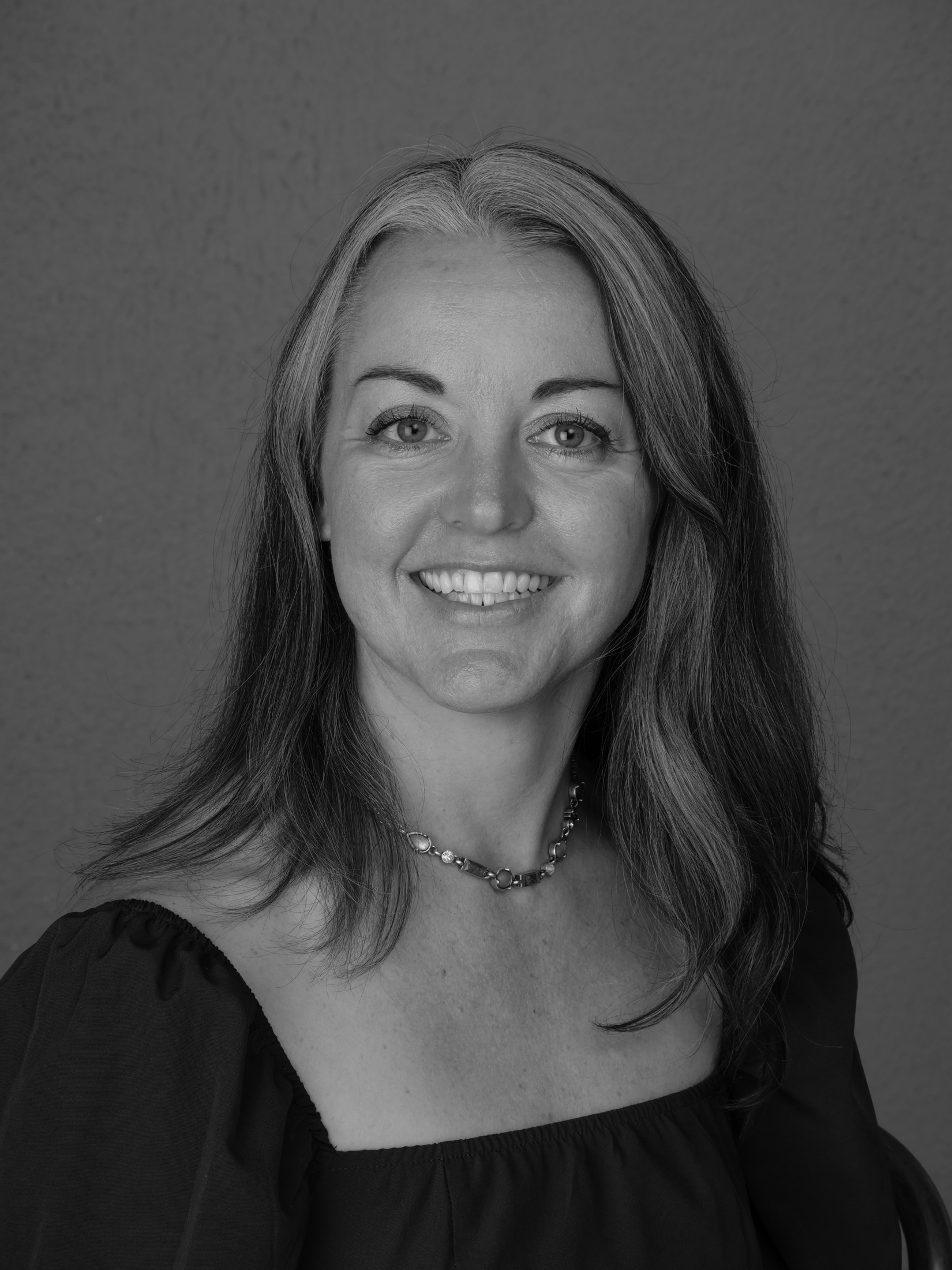
Katie Couch
Katie Couch holds degrees in music performance and education from the University of Colorado Boulder. She earned the Dalcroze Professional Certificate and License from the Dalcroze School of the Rockies (now the Dalcroze School of Music and Movement). Katie is on the faculty of the Dalcroze School of Music and Movement, where she trains future Dalcroze teachers in improvisation, solfège, and pedagogy. Katie also volunteers for several committees of the Dalcroze Society of America, most notably serving as treasurer, chair of the publications committee, and managing editor of Dalcroze Connections.
About the Author(s)
Katie Couch
Katie Couch holds degrees in music performance and education from the University of Colorado Boulder. She earned the Dalcroze Professional Certificate and License from the Dalcroze School of the Rockies (now the Dalcroze School of Music and Movement). Katie is on the faculty of the Dalcroze School of Music and Movement, whe…


Leave a Reply
You must be logged in to post a comment.