

Article / Essay
Movement as the Means for Learning
Published Spring 2026 | Added May 12, 2026
Explore how embodying music through movement deepens learning and musical understanding with practical insights into kinesthetic learning and the role of movement in Dalcroze teaching.
One of the many benefits of Dalcroze education, and perhaps one of the biggest draws to this work, is the aspect of body movement. When we associate our movements with music, we are embodying and bringing to life the sounds we hear. Embodying music is a powerful way of creating deep learning experiences.
In fact, Dalcroze teachers use the body as the primary instrument to learn and experience music, building from natural physical movements and expanding and transforming them through a multitude of nuances of time, space, and energy.
We will discuss the benefits and the processes of kinesthetic learning, the place of gross and fine motor skills in education, the role of variety and quality of movement in Dalcroze pedagogy, and give practical advice for current and future Dalcroze educators.
Benefits of Learning Through the Body
Émile Jaques-Dalcroze noticed that the rhythmic limitations and shortcomings musicians presented in their playing were almost always equally present in the way they moved with their entire body. He defined these shortcomings as arrhythmy (as opposed to eurhythmy). Characteristics of arrhythmy include the inability to hold a steady tempo, disproportionate dynamics, disorganized sense of rubato, unevenness of passages, etc. Jaques-Dalcroze listed and discussed those limitations in his article “Remarques sur l’Arythmie” (1932), which appeared in Le Rythme no. 33.
Upon seeing the relationship between musical and motor skills, Jaques-Dalcroze theorized that many of those issues could be solved or prevented altogether if addressed from their root—the movement of the entire body, which, compared to the movement of isolated body parts (such as in instrumental playing), has a stronger and more defined physical sensation. Working with the whole body allows us not only to identify and address the root causes of arrhythmy but also to build more solid and reliable inner representations of rhythm.

On the other hand, it’s not uncommon to see exceptionally gifted musicians for whom these limitations never arise or which are easily resolved within the context of their instrumental practice. Despite having never received an education that aims to put their whole body in motion, such as Dalcroze eurhythmics, a lot of talented musicians have a natural and reliable sense of rhythm and excellent musicianship skills. We might ask ourselves: How do they benefit from this kind of work?
It’s common to see musicians play their instrument at a very high level of musicianship but find it challenging to perform simple eurhythmics exercises. Once introduced to Dalcroze eurhythmics, however, those musicians may intuitively discover that they can achieve the same musical result at their instrument with more ease and less tension in their body. They may discover new ways to feel and experience music that will inspire and inform their interpretations and/or compositions in new ways. They may identify shortcomings or areas within their musicianship that can be improved even further. They may develop a deeper awareness of and connection with other musicians in the context of ensemble playing. But for that person, the benefits might be felt as much, if not more, in other areas of life than in their musicianship itself. Movement is present in most activities of our daily lives, and a deeper and more refined kinesthetic awareness will have a direct positive impact on it. For this reason, among others, as a holistic approach, Dalcroze has found its way to many areas outside musical training, including theater, dance, music therapy, rehabilitation, and gerontology.
The Process of Kinesthetic Learning
In his 1947 work La psychologie de l’intelligence, Swiss psychologist Jean Piaget explains that knowledge is the result of internalized action—we come to understand something by interacting with it. In the same way, for Émile Jaques-Dalcroze, it’s the physical experience that creates an internal representation of musical rhythm.

The representation of rhythm—the reflection of a rhythmic action, lives in all our muscles. Inversely, rhythmic movement is the visible manifestation of rhythmic awareness. The one follows the other in an uninterrupted sequence. They are indissolubly linked together.
Jaques-Dalcroze 1908, 41–42
By learning through the body, Dalcrozians approach rhythm in a way that makes it feel alive. In a typical Dalcroze class, the physical experience is often associated with the auditory experience of the music being played by the teacher. It’s during this process of associating physical movements with the music that learning takes place. At times, the body will lead the way, and the teacher’s improvisation will follow a student’s movement. Doing so allows the student to become aware of the natural and spontaneous rhythms of their body. Other times, the teacher’s improvisation will be the lead, inciting the body to move in certain ways. Jaques-Dalcroze describes this process as such:

The muscular system perceives rhythms. By means of repeated experiences every day, muscular memory is developed, leading to a clear and regular representation of rhythm . . . The ear perceives rhythms. By means of repeated experiences every day, sound memory is developed, sharpening and stimulating the critical faculties. This enables the student to compare the perception of the sound of rhythms with their representation.
Jaques-Dalcroze 1908, 38
With this awareness, the deep and intricate connection between the body and the music starts to become clearer. The body is our primary vehicle of experiencing movement—that is, of experiencing music. From that came the idea of putting every part of the body in motion rhythmically through music, guiding students into experiencing how movement relates to sound through the relationships between time, space, and energy. Dalcroze education is, in fact, a framework of ideas and principles on how to develop and sharpen this awareness of the connection between music and the body—on experiencing the body as the first instrument.
Gross Motor vs. Fine Motor Skills
The Oxford Dictionary of Sports Science and Medicine defines gross motor skill as “a skill that involves the action of many muscle groups and requires movement of the whole body,” such as walking and jumping, and fine motor skill as “a skill requiring delicate muscular control and in which certain parts of the body move within a limited area in order to produce accurate responses,” such as clapping or shaking your head.
With these definitions in mind, it’s safe to say that most traditional instrumental instruction focuses largely on the latter, with little attention paid to the former besides some occasional, vague suggestions of playing with one’s whole body. This results in musicians with a highly specialized fine motor skill set necessary for playing or singing at an advanced level, but one that may not translate easily into other domains.
Thus, Jaques-Dalcroze aimed to put the entire body in motion through gross motor movement first, later transferring those experiences into fine motor skills—in the same way a doctor learns general medicine before specializing in a field.
Both gross and fine motor skills are part of the movement vocabulary in a typical eurhythmics class. However, Dalcroze teachers aim for the more specialized movements to be preceded by global movement, which not only creates skills that are more likely to transfer to other domains but also enhances and speeds up the development of the fine motor skills required for instrumental playing. Jaques-Dalcroze wrote in “Remarques sur l’Arythmie”:

The keyboard virtuoso only knows a limited number of dissociations . . . unless of course their specialized studies were preceded by a general education. This education allows them to specialize faster, since when a person is familiarized with the essential possibilities of dynamics in duration and in space, they can also more easily familiarize themselves with their adaptation to a variety of specific goals.
1932, 4
The number of ways in which the body contributes to learning music is so broad a topic that it has been the focus of dozens of books and articles. But there are two aspects we would like to focus on here, as they are always in the backs of our minds when teaching: variety of movement and quality of movement.
Variety of Movement
You are probably familiar with Mussorgsky’s Pictures at an Exhibition. In this piece, the promenade theme returns in different iterations, depicting the narrator’s experience of visiting the exhibition and the impact the paintings have on him. Despite describing the same action—walking—each time the theme appears, it’s infused with a different mood, tempo, and energy. If we compare Debussy’s “Des pas dans sur la neige” from Préludes to Schubert’s “Gute Nacht” from Winterreise, they both allude to the same action of walking, yet in vastly different ways. The variety of ways one can walk is endless, both in life and in music, and that applies to all kinds of movements.
Dalcroze teachers encourage students to become aware of how their movements and overall physical experience are affected by the changes in the music—durations, tempo, dynamics, articulation, mood, phrasing, harmony, or virtually any other musical aspect. We make sure that the music offers enough variety to explore the full spectrum of movement. If we have moved in a variety of ways, we then have a wide array of internalized representations of rhythm, which translates much more easily and directly into music-making.
A good example of this idea is the “follow,” a type of Dalcroze exercise commonly used in the United States. In the follow, the teacher plays a rhythmic pattern (e.g., short-short-long), constantly changing the mood and tempo, as if bringing that same pattern through a journey. Students embody the rhythmic pattern they hear through improvised gross and fine motor movements while at the same time demonstrating all the characteristics of nuance they hear in the music.

Music is composed, in Schumann’s words, with the blood of our heart. Why handle the circulation of that blood in such a pedantic way? The circulation depends on our nervous system, on our general or particular emotional state, or temperament, that the circumstances of our life modify day to day, the sharpness of our desires, our resentments, our revolts, our appeasements, and our submissions. Isn’t variety the essence of art? And doesn’t variety exist in time-values and their infinite degrees as well as in harmony and tone-colour?
Jaques-Dalcroze 1915, 84
Quality of Movement
Another central aspect of learning through the body involves refining students’ movements toward a desired quality to best embody the character of the music. It’s common to discover, as eurhythmics classes progress, that as exercises become more challenging, our movements tend to become jerkier, tenser, and more hesitant. Our postures become misaligned; our senses shut down—we start looking at the floor instead of being aware of the space around us. We might stop listening to the music altogether. At best, we may clap at the right moment, but the quality of the movement has suffered. If we move in a jerky, tense, hesitant way, the internalized representation of rhythm we are creating will be the same.
Instead, we want to internalize rhythm in a way that is free, flexible, and precise. Most importantly, we want the quality of the movement to match the quality of the music being heard, reinforcing the connection between the music and the body.
For example, when stepping long rhythmic values, how can students embody its entire duration? Stepping and stopping will have a very different quality than stepping and gliding your toe on the floor throughout the duration, or stepping in slow motion, or stepping and pretending to float while balancing on one foot.
We want the quality of the movement to match the quality of the music being heard, reinforcing the connection between the music and the body.
Becoming an Effective Dalcroze Teacher
Recently, in the United States, a group of Dalcroze teacher-trainers created the Teacher Training Manual (casually referred to as the T2 program), which summarizes the skills a person needs to acquire a Dalcroze Professional Certificate. Included in this program is a list of ten teaching principles, including use of the body as the first instrument. People who are training to become Dalcroze teachers will eventually need to demonstrate these principles in their teaching.
We have coached and evaluated several people in their Dalcroze pedagogy studies, considered by many to be the most difficult part of Dalcroze certification. The students leading these exit pedagogy exams (sometimes termed pre-service teachers) need to demonstrate their understanding of the Dalcroze teaching principles in action during a lesson lasting forty-five to sixty minutes. In terms of the Dalcrozian principle of body as instrument, the student teachers are encouraged to incorporate a variety of movement through their choice of exercises (incorporating gross- and fine-motor gestures and locomotion), the teacher’s choice of music (piano improvisation, recorded music, or otherwise), and their ability to offer movement corrections and feedback, ultimately helping the students to refine the quality of their movements.
What we have found is that many pre-service teachers often focus on the nuts and bolts of their lesson plans; for example, the piano improvisation, sequencing, and verbal instructions. It is in this phase of lesson planning that a pre-service teacher attends to the concept of variety of movement. However, the execution of the lesson is where pre-service teachers may forget to acutely observe the students in action. Watching your students and refining their movement is a core component of teaching them to use their body as an instrument.
Pre-service teachers will need to demonstrate their ability to correct common movement errors, like leaping from a standing-still position without a preparation or losing continuity of movement while attempting to embody legato. While one’s ability to give movement feedback grows through practice, pre-service teachers can build this skill by observing Dalcroze classes (for both adults and children) and noticing the feedback the teacher is giving.
Dalcroze teachers should also incorporate student-led movement improvisations. Taking movement ideas from students will lead to greater movement variety, inspiring students to use their bodies in new means for expression. The teacher could have the students create movement improvisations using inspiration from music, words, movement prompts, imagination, and more. Allowing students to create their own expressive gestures can help add variety of movement to the lesson. For example, the teacher could ask students to show a rhythm—but without using their arms.
Finally, Dalcroze teachers need to become proficient and expressive movers, deeply in tune with the quality of their own movement and with a broad movement vocabulary, capable of demonstrating all nuances of time, space, and energy in order to be able to serve as a reference for students to model. Not only that, but being a capable and confident mover will also inform one’s lesson planning and give teachers solid tools for providing students with effective and impactful feedback regarding movement.
Conclusion
People are drawn to Dalcroze for all sorts of reasons: movement, improvisation, developing teaching tools, music theory, musicianship skills, social learning, and more. For us, and perhaps you as well, the experience of embodying sound, of representing music through specific and also improvised expressive movements, has opened up a whole new inner musical world. Dalcroze study has made us feel more musical; more holistic musicians rather than trained pianists. Through a variety of movements with which to bring music to life, the body becomes a powerful tool for learning and experiencing.
We practice to realize an embodied mind and a mindful body.
Thich Nhat Hanh
Dalcroze reminds us, through the simple but essential principle of experiencing the body as the primary instrument, of the importance of listening with our whole organism, of embodying knowledge, of thinking through sensation. Although written about meditation, Thich Nhat Hanh’s words illustrate this core concept of Dalcroze: “We practice to realize an embodied mind and a mindful body.”
References
- Hanh, Thich Nhat. 1999. The Heart of the Buddha’s Teaching: Transforming Suffering into Peace, Joy, and Liberation. New York: Harmony.
- Jaques-Dalcroze, Émile. 1908. “L’Initiation au rythme.” Le rythme, la musique et l’éducation. Zurich: Edition Foetisch.
- Jaques-Dalcroze, Émile. 1915. “La rythmique et la composition musicale.” Le rythme, la musique et l’éducation. Zurich: Edition Foetisch.
- Jaques-Dalcroze, Émile. 1932. “Remarques sur l’arythmie.” Le Rythme, no. 33.
- Kent, Michael. 2006. The Oxford Dictionary of Sports Science & Medicine. Oxford University Press. https://www.oxfordreference.com/view/10.1093/acref/9780198568506.001.0001/acref-9780198568506.
- Piaget, Jean. 1947. La psychologie de l’intelligence. Paris: Armand Colin.
Submit Feedback on This Resource
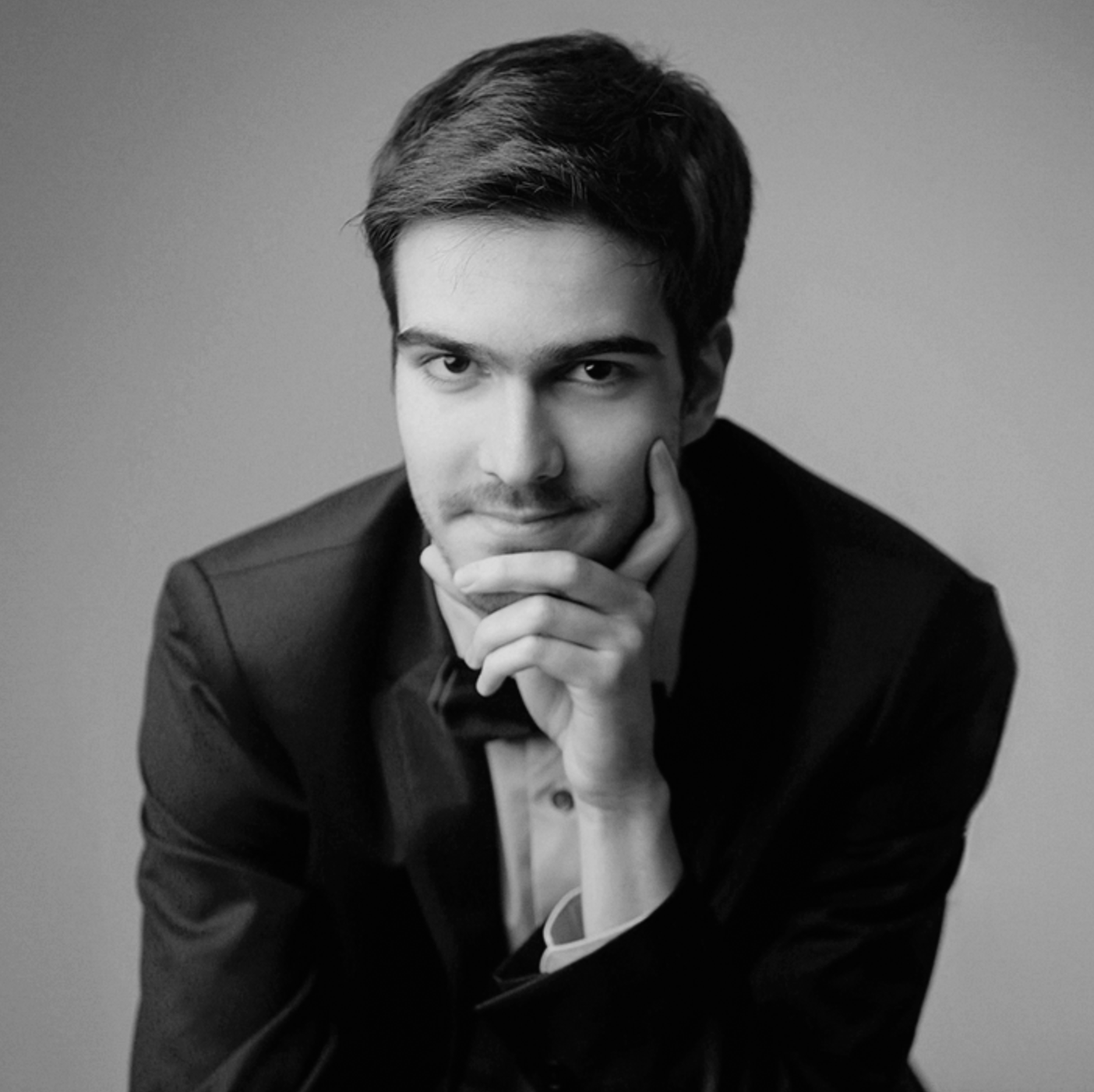
Arthur Simoes
Arthur Simoes is a Brazilian pianist, composer, and educator whose eclectic music blends jazz, classical, video game influences, and his Brazilian heritage. A prizewinner of the 29th European Music Competition “Città di Moncalieri,” he has performed widely across Europe, Latin America, and the United States, and regularly leads lectures, workshops, and master classes internationally. Passionate about music learning, he currently teaches Dalcroze eurhythmics at the New England Conservatory (Boston) and has served on the faculties of Haute École de Musique and the Institut Jaques-Dalcroze (Geneva) alongside guest teaching at major institutions and events worldwide. He also maintains a thriving piano studio in which his lessons integrate elements from Dalcroze eurhythmics and the Taubman Approach. Arthur holds a diploma with concentrations in jazz composition and performance from Berklee College of Music, a bachelor’s in piano and a master’s in music pedagogy from the Haute École de Musique de Genève, and a Diplôme Supérieur of the Dalcroze method.
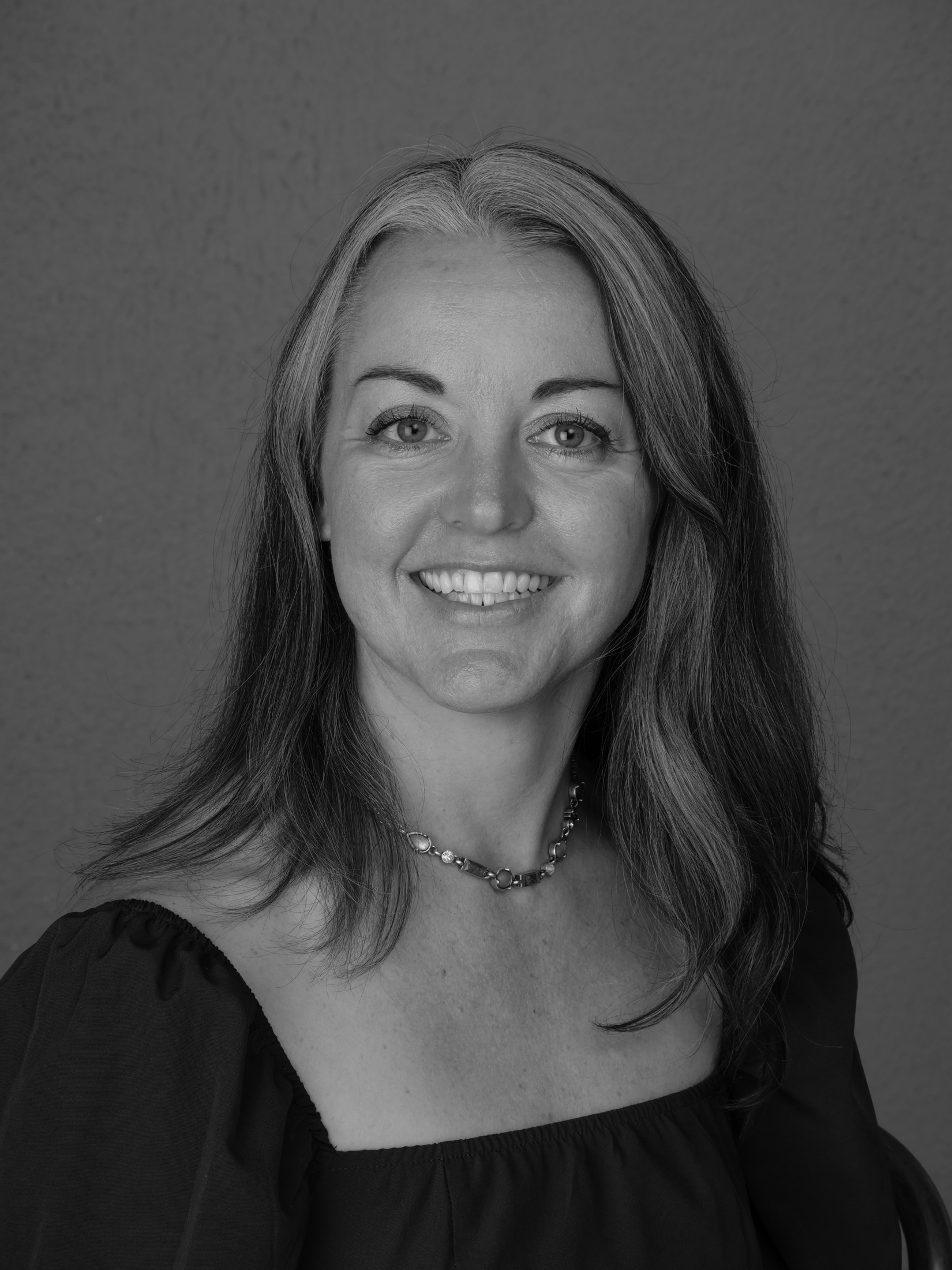
Katie Couch
Katie Couch holds degrees in music performance and education from the University of Colorado Boulder. She earned the Dalcroze Professional Certificate and License from the Dalcroze School of the Rockies (now the Dalcroze School of Music and Movement). Katie is on the faculty of the Dalcroze School of Music and Movement, where she trains future Dalcroze teachers in improvisation, solfège, and pedagogy. Katie also volunteers for several committees of the Dalcroze Society of America, most notably serving as treasurer, chair of the publications committee, and managing editor of Dalcroze Connections.
About the Author(s)
Arthur Simoes
Arthur Simoes is a Brazilian pianist, composer, and educator whose eclectic music blends jazz, classical, video game influences, and his Brazilian heritage. A prizewinner of the 29th European Music Competition “Città di Moncalieri,” he has performed widely across Europe, Latin America, and the United States, and regularly l…
Katie Couch
Katie Couch holds degrees in music performance and education from the University of Colorado Boulder. She earned the Dalcroze Professional Certificate and License from the Dalcroze School of the Rockies (now the Dalcroze School of Music and Movement). Katie is on the faculty of the Dalcroze School of Music and Movement, whe…


Leave a Reply
You must be logged in to post a comment.